Everyone’s Suddenly a “Pro Max” Now: Inside Android’s September Flagship Naming Pile-Up

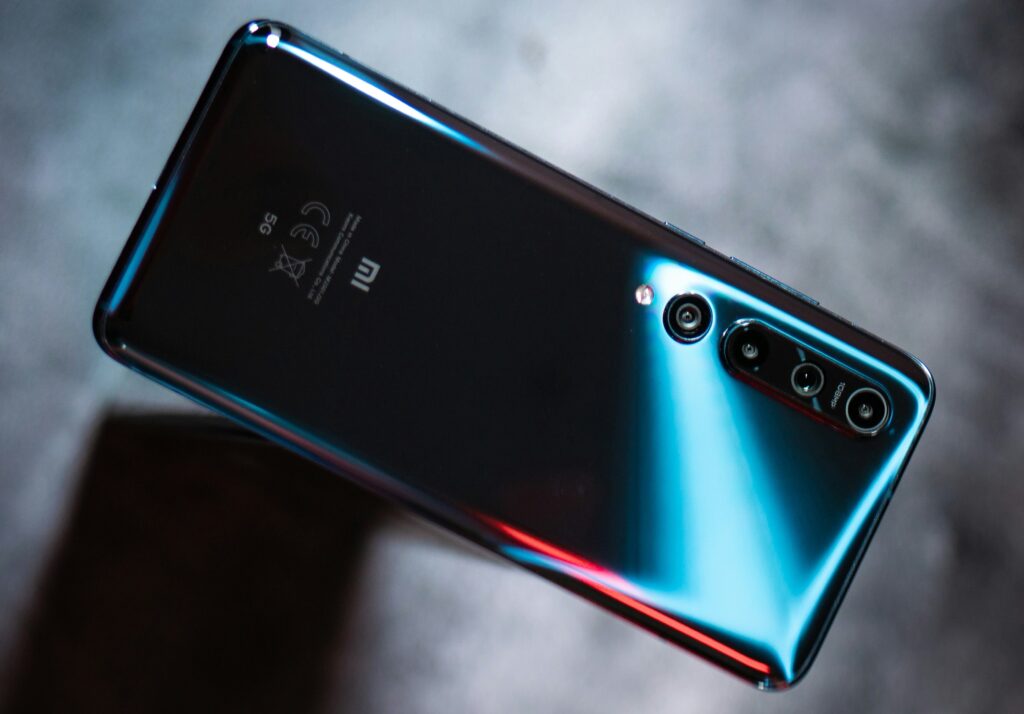
Walk down the spec-sheet aisle this September and you’ll notice something strange: half the flagships launching this month are calling themselves “Pro Max.” Not “Ultra.” Not “Plus.” Pro Max — the exact phrase Apple trademarked into the cultural lexicon back with the iPhone 11 Pro Max in 2019. Xiaomi, Huawei, Vivo, Oppo, and Honor all shipped a “Pro Max” this month, and that’s not a coincidence, it’s a marketing decision made independently by five competing companies who apparently watched the same sales charts.
None of this changes what’s inside the phones, which is the part actually worth your attention. Here’s how the lineup shakes out, based on specs confirmed by Android Authority and cross-checked against Gizmochina’s September launch tracker.
The lineup
| Phone | Chipset | Rear Camera | Standout Feature |
|---|---|---|---|
| Xiaomi 18 Pro Max | Snapdragon 8 Elite Extreme Gen 6 | Leica-tuned system | Secondary rear display |
| Huawei Mate 90 Pro Max | Kirin 9050 Pro | HDR imaging system | In-house silicon, no Google apps |
| Vivo X500 Pro Max | Dimensity 9600 Pro | HDR imaging system | Zeiss optics partnership |
| Oppo Find X10 Pro Max | Dimensity 9600 Pro | Triple 200MP setup | Highest-res camera array of the group |
| Honor Magic 9 Pro Max | Snapdragon 8 Elite Extreme Gen 6 | Dual 200MP Arrix cameras | Falcon AI camera processing |
Two chipsets are doing all the heavy lifting here — Qualcomm’s Snapdragon 8 Elite Extreme Gen 6 and MediaTek’s Dimensity 9600 Pro — which tells you the real competition this cycle is happening one layer down, in silicon, not branding. Oppo and Honor are the megapixel-count leaders on paper, both landing at 200MP sensors, though resolution alone has stopped being a reliable predictor of actual photo quality years ago.
The part that matters for U.S. readers
Here’s the catch, and it’s a big one: not one of these five phones will get an official U.S. release. Xiaomi, Vivo, Oppo, and Honor don’t sell flagships through American carriers, and Huawei has been effectively locked out of the U.S. market since 2019 trade restrictions. If you want one, you’re looking at gray-market importers, which means no warranty, no carrier VoLTE guarantees, and often no Band 71 or Band 41 support that T-Mobile and other U.S. networks lean on.
So why should an American Android reader care at all? Because this is where next year’s Galaxy S27 Ultra and Pixel 12 Pro get their competitive pressure. When five global rivals all ship 200MP cameras and dual-chipset-tier performance in the same month, Samsung and Google notice. The features that debut on import-only phones in September have a habit of showing up on Galaxy Unpacked stages fourteen months later, quietly rebranded.
The “Pro Max” naming grab says more about marketing departments chasing Apple’s brand equity than about hardware innovation — but the silicon race underneath it is genuinely worth watching.
If you’re shopping right now with U.S. carrier support as a requirement, your realistic flagship options remain the Galaxy S25 Ultra, the Pixel 10 Pro, and the OnePlus 15 — all of which are actually sitting on shelves at Best Buy and Verizon stores today. Think of this September’s Pro Max wave less as a shopping list and more as a preview of the features that’ll eventually trickle down to phones you can actually buy with a warranty card.
CHART DATA
Spec comparison table for visualization — see markdown table below.
Sources: Android Authority, Gizmochina. Featured image by Shiwa ID on Unsplash.

Harish
I am the founder of androidcaptain.com, a tech graduate and writes which covers android, smartphones, apps, software, and the rapidly evolving world of artificial intelligence. I focus on breaking down new technologies, exploring useful features, and helping readers understand how their devices and software can work better for them.