Apple’s $1,999 iPhone Duo Is the Best Thing to Happen to Android Foldables in Years
Apple’s first foldable costs $100 more than Samsung’s and Google’s and skips a telephoto lens. Android makers should welcome it, then cut prices.

In this article
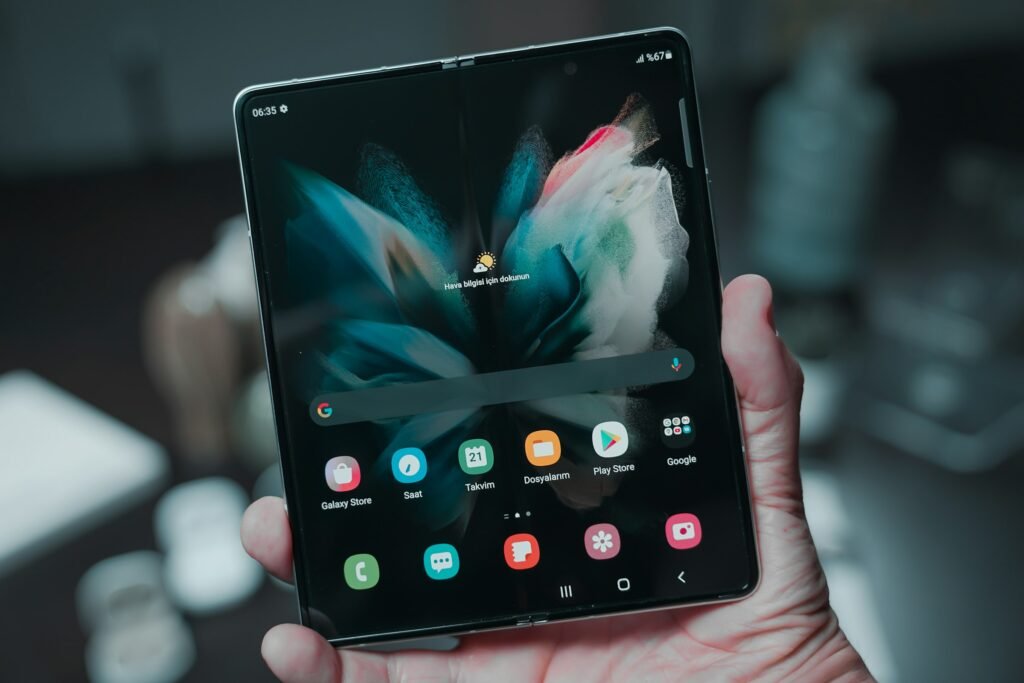
Pre-orders for Apple’s first foldable open this Friday, October 16. The iPhone Duo starts at $1,999 for 256GB, lands in stores on October 23, and folds out from a 5.4-inch phone into a 7.6-inch tablet. If you’ve spent any time with a Galaxy Z Fold 8, that silhouette will look very familiar.
The easy Android-fan reaction is to roll your eyes. Samsung has been shipping book-style foldables since 2019, Google is on its fourth generation, and Apple is showing up late with a $2,000 price tag and the usual victory lap. I get it. But I think that reaction is wrong. The iPhone Duo is good news for anyone who wants an Android foldable, and it might be the push this category needed.
Apple just made foldables normal
For seven years, the biggest obstacle to foldables hasn’t been hinges or creases. It’s been the sense that they’re a niche toy for enthusiasts. Carriers stock a couple of them in a corner. Friends ask if the screen is going to snap.
Apple’s entry ends that conversation. When the most conservative phone maker in the world builds a foldable, ships it in more than 70 countries at once and puts it on billboards, the category stops being weird. Android Central’s Harish Jonnalagadda put it plainly in his first look: the Duo “will convince you to buy a foldable.” He didn’t say it would convince you to buy Apple’s.
On paper, Android still has the better deal
Look at what Apple is charging for and what it isn’t delivering.
| Foldable | Starting price | Weight | Wired charging |
|---|---|---|---|
| Apple iPhone Duo | $1,999 | 254g | ~50% in 20 min (60W adapter sold separately) |
| Samsung Galaxy Z Fold 8 | $1,899.99 | 201g | Up to 45W |
| Google Pixel 11 Pro Fold | $1,899 | ~239g | Up to 30W |
The Duo is the most expensive and the heaviest of the three, 53 grams heavier than Samsung’s Fold. It has two 48MP cameras and no dedicated telephoto; its 2x option is a 12MP crop from the main sensor. The Pixel 11 Pro Fold has a real 5x telephoto. There’s no Face ID, just Touch ID in the side button, and the Duo is eSIM-only everywhere.
Apple did get some things right. The titanium body is 5.2mm thick unfolded, the inner screen uses a sandwiched glass design Apple calls “perceptually crease-free,” and Apple Pencil support is on the way. Android Authority readers, asked which Duo feature Android should copy first, picked stylus support (27%), then the crease-less display and IP68 rating (23% each).
What Samsung and Google should do now
Here’s where my optimism comes with conditions. The Duo helps Android only if Android makers respond with the one weapon Apple rarely uses: price.
Right now, the Fold 8, the Pixel 11 Pro Fold and Motorola’s Razr Fold all sit at around $1,900. That’s a $100 gap to the iPhone, which is nothing at this level. And Samsung’s Fold 8 Ultra, at roughly $2,100, actually costs more than Apple’s phone. If the Android response to the Duo is to match Apple’s price and copy its glass, buyers will simply take the iPhone, because that’s where their iMessage threads already live.
The better move is aggressive trade-in deals over the holidays, a real step down in price next year, and leaning hard on the features Apple left out: real zoom cameras, faster charging, and lighter bodies. Android Central expects Google to adopt a similar glass approach on the Pixel 12 Pro Fold anyway. Fine. Copy the screen. Don’t copy the price.
The bottom line
Apple didn’t invent the foldable, and the Duo isn’t the best one you can buy on specs. It doesn’t need to be. It just made millions of people curious about a phone that opens like a book, and most of those people will walk into a carrier store where an Android foldable sits on the shelf right next to it. Samsung and Google have a year’s head start on everything except attention. Now they have the attention too. They should spend it on lower prices.
Sources: Techlicious, Android Central, Android Authority. Photo by Onur Binay on Unsplash.

Harish
I am the founder of androidcaptain.com, a tech graduate and writes which covers android, smartphones, apps, software, and the rapidly evolving world of artificial intelligence. I focus on breaking down new technologies, exploring useful features, and helping readers understand how their devices and software can work better for them.