Google’s $179.99 Fitbit Edge Is Official. It Fixes the Charge 6’s Worst Habits and Drops Its Wallet
The Fitbit Edge costs $179.99, ships October 27, and adds a bigger screen, a real button and a swappable battery. It also loses tap-to-pay.

In this article
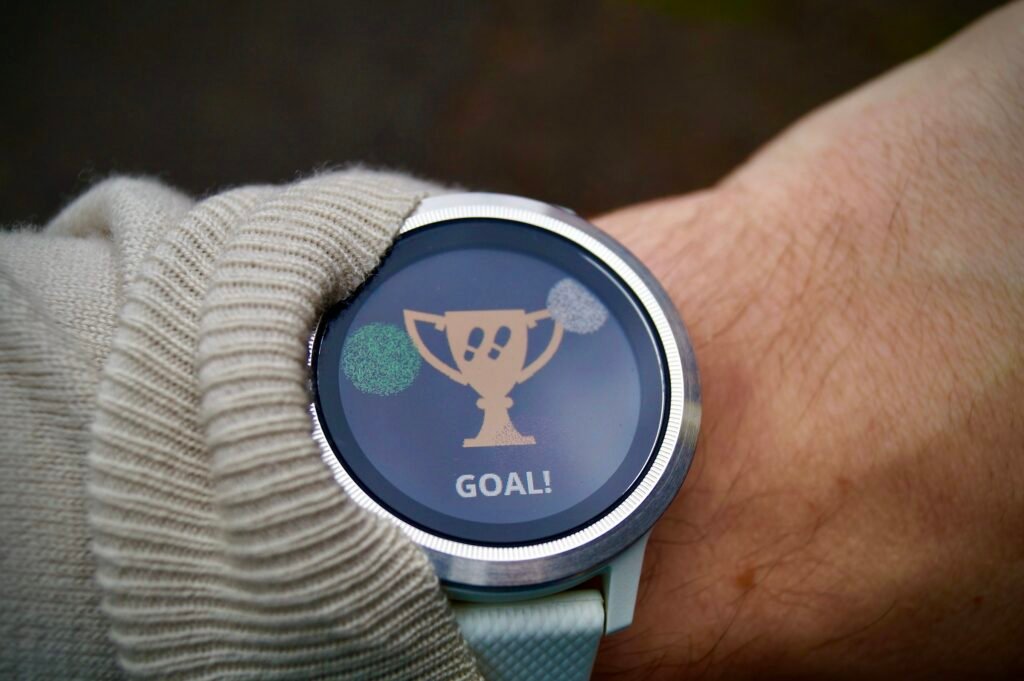
Google made it official on Monday: the Fitbit Edge is the new Fitbit tracker, it costs $179.99, and it reaches stores on October 27. Pre-orders opened today. A Stephen Curry Special Edition with a custom band runs $219.99.
After two years of the Charge 6 being the only screen-equipped Fitbit band worth recommending, the Edge is less a sequel than a correction. It fixes the things Charge owners complained about most. It also quietly removes one thing a lot of them relied on.
What’s actually new
The headline change is the display. The Edge uses a wide, pill-shaped AMOLED panel under Gorilla Glass 3, and Google says it offers 46% more screen than the Charge 6. That extra room is going to glanceable stats, a dozen or so analog and digital watch faces, and swipeable tiles for sleep, heart, cycle health, weather, timers, alarms and music controls.
The second fix you can feel: the Charge 6’s finicky capacitive side key is gone. In its place is a large physical button, which Google pitches as easier to press mid-swim. The aluminum body is 11.5mm thick and rated IP68 and 5ATM.
Then there’s the part nobody expected from a $180 band. The Edge opens up for battery swaps, the same idea Google introduced on the Pixel Watch 5. Google calls it its first fitness tracker with a replaceable battery. For a device category that usually becomes e-waste when the cell fades after a few years, that matters more than any new sensor.
Sensors, GPS and battery
The sensor list covers what a Charge owner would expect and then some: heart rate, ECG with AFib detection, red and infrared SpO2, a far-field skin temperature sensor, an accelerometer, a gyroscope, an ambient light sensor and a dedicated altimeter for elevation. Built-in GPS is 40% more precise than the Charge 6’s, according to Google.
Battery life is rated at about a week with the always-on display off and about two days with it on. Charging uses the same magnetic USB-C puck as the Fitbit Air; five minutes buys roughly a day, and a full top-up takes about 90 minutes.
The exercise app tracks more than 50 activity types and can pair with gym equipment that broadcasts heart rate. Automatic workout detection now recognizes more than 100 activities across the Edge, the Air and recent Pixel Watches, up from 10.
Edge vs. Charge 6 at a glance
| Spec | Fitbit Edge (2026) | Fitbit Charge 6 (2023) |
|---|---|---|
| Launch price | $179.99 | $159.95 |
| Screen | AMOLED, 46% larger | Smaller AMOLED |
| Side button | Physical | Capacitive |
| Battery life | ~7 days (AOD off), ~2 days (AOD on) | Up to 7 days |
| Replaceable battery | Yes | No |
| Google Wallet (NFC) | No | Yes |
The catch: no NFC, and a coach behind a paywall
Here’s the trade-off that will sting for some buyers. The Edge has no NFC, so Google Wallet tap-to-pay is not supported. If you got used to leaving your phone in the locker and paying for a post-run coffee with your wrist, the Edge can’t do that. Google Maps navigation does work, and so do phone notifications and music controls for any app on your phone. Quick replies to messages are Android-only.
The other asterisk is the subscription. Every Edge comes with three months of Google Health Premium, which unlocks the AI health coach. After that, coaching requires a paid plan. Premium users on the Edge and Fitbit Air also get Health Guardian later this month, which tracks blood pressure trends and insulin resistance over time. Google is careful to call that general wellness, not diagnosis.
“Relentlessly iterating” is how Google Health chief Rishi Chandra described the approach, pointing to 55 feature updates in recent months.
Who should pre-order
The Edge slots between the screenless Fitbit Air and the Pixel Watch 5, and it works with both on the same account, so you can switch devices without losing your history. It runs on Android and iOS.
If your Charge 6 is still going, the reasons to upgrade are the bigger screen, the real button and the swappable battery. If you pay with your wrist, wait; the Charge 6 still does something the Edge can’t. Everyone else shopping for a sub-$200 tracker now has an easy default. Four colorways ship: Obsidian, Fog, Olive and Canyon, with extra bands from $39.99.
Sources: 9to5Google, The Next Web, Android Headlines. Photo by James Orr on Unsplash.

Sidharth
Hey there ! I am Sidharth Shankar, I am an editor at Android Captain. A computer science engineer with 7 years of experience in the technology field, I cover apps, Reviews, AI features, wearables and hands-on how-to guides for Android users.