Samsung Smart TV Data Leak: What’s in the 220MB Ad Dump, and How to Limit Tracking
A Samsung smart TV data leak exposed 150,000 viewing records via an ad vendor. Here's what was taken and the TV settings to change now.

In this article
Samsung’s smart TV ad business has sprung a leak. A ransomware gang calling itself n0n has dumped roughly 220MB of data tied to Samsung’s advertising operations on its dark web leak site, and Samsung now says a third-party vendor that handled ad data for its North American business was hit.
No passwords. No credit card numbers. But if you own a Samsung TV in the U.S., the leak is a blunt reminder of how much your TV knows about your living room, and of the settings you can switch off tonight.
What Samsung says happened
Samsung’s statement, given to Cybernews and repeated by Android Headlines and ShiftDelete, is careful. “The vendor’s preliminary investigation indicates that some Samsung information may have been affected in the incident,” a spokesperson said. “We are working with the vendor on an investigation to determine the scope of the incident.”
The company added that it will “share additional information as our investigation progresses” and that protecting customer and partner information “is a top priority for Samsung.”
Notice what that statement doesn’t say. It doesn’t call it a breach of Samsung’s own systems, it doesn’t say how many people are affected, and it doesn’t say which records came from Samsung versus the vendor. Android Headlines ran the story as “Samsung Confirms Data Breach,” which is a fair reading of the headline fact but goes a bit further than Samsung’s own word, “incident.” Australian Cyber Security Magazine, in its write-up, says it remains unclear whether company systems or third-party services were compromised.
The group behind it, n0n, is new. Cybernews says it started drawing attention in mid-September, and threat intelligence firm Brandefense recorded Samsung Electronics on the gang’s leak site on November 14. Cybernews reports the data went public after n0n’s ransom “timer ran out.”
What’s in the 220MB Samsung TV data dump
Cybernews reviewed the files. Here’s the breakdown it reported:
| Data set | Records | Period | What it contains |
|---|---|---|---|
| Smart TV viewing events | ~150,000 | 2024 | Timestamps, viewing durations, device info, cities, ZIP codes, TV service provider names |
| Political advertising | ~42,600 | Sept.–Oct. 2026 | Affiliations, issues, sponsors, estimated ad costs, timestamps |
| AI ad-model training data | ~99,100 | 2021 | Mostly embedding vectors |
| Internal documents | 2 | Incl. Sept. 2026 | Data-use rules and an access questionnaire, with employee details |
Two details deserve emphasis. First, Cybernews says the viewing records don’t show what individual users watched, so this is not a list of named people and their favorite shows. Second, the political ad records describe ads that aired, and Australian Cyber Security Magazine stresses they do not establish that individual viewers’ political preferences were exposed.
Still, ZIP codes, cities, device information and precise viewing timestamps are exactly the kind of fields that become more revealing when combined with other leaked data. The available research points mainly to U.S. audiences; ShiftDelete notes the files include U.S. ZIP codes, and neither Samsung nor Cybernews has said whether other regions are involved.
Why this matters even without passwords
Here’s the uncomfortable part. Most smart TV owners have never thought about the data their set sends home, because nothing bad visibly happens. Smart TV makers, Samsung included, use automatic content recognition (ACR) to identify what’s on screen and sell targeted advertising. Samsung’s longstanding position, as cited by Australian Cyber Security Magazine, is that ACR “is not enabled by default, requires users to opt in and can be disabled,” and that viewing information isn’t collected through ACR when it’s off.
Nothing in this leak shows those consent controls were bypassed. But the leak does show where opted-in data ends up: in ad pipelines, with vendors, sitting in files a ransomware crew can grab. Cybernews also points to a Texas lawsuit alleging Samsung collected viewing data through ACR without proper consent, a reminder that this debate predates n0n.
It’s also not Samsung’s first rough patch. Cybernews and ShiftDelete both mention a separate 2025 dump of about 270,000 Samsung Germany support tickets. Different incident, same lesson about third parties holding customer data.
What Samsung TV owners should do now
You don’t need to change passwords over this leak specifically, since none were reported in the dump. What you can do is shrink the amount of data your TV generates in the first place.
- Turn off Viewing Information Services. This is Samsung’s name for its ACR feature. On recent Samsung TVs, look under Settings > All Settings > General & Privacy > Terms & Privacy; older models put the same controls under Support > Terms & Policy. Exact menu names vary by model year.
- Switch off Interest-Based Advertisements in the same privacy section. You’ll still see ads on the home screen, but they won’t be tailored to your viewing.
- Review voice and other optional data agreements listed there, and decline anything you don’t actively use.
- Watch for phishing. Leaks like this often bring “your Samsung account has been compromised” emails. Don’t confirm a password through a link in an email; sign in to your Samsung account directly instead.
- Keep an eye on Samsung’s updates. The company says more is coming as the investigation continues.
The verdict
As breaches go, this one is limited: no credentials, no payment data, and viewing records that reportedly can’t be tied to individual shows. But “limited” is doing a lot of work when the data includes ZIP codes and timestamps from inside people’s homes. The smartest response isn’t panic. It’s spending two minutes in your TV’s privacy menu so the next vendor breach has less of you in it.
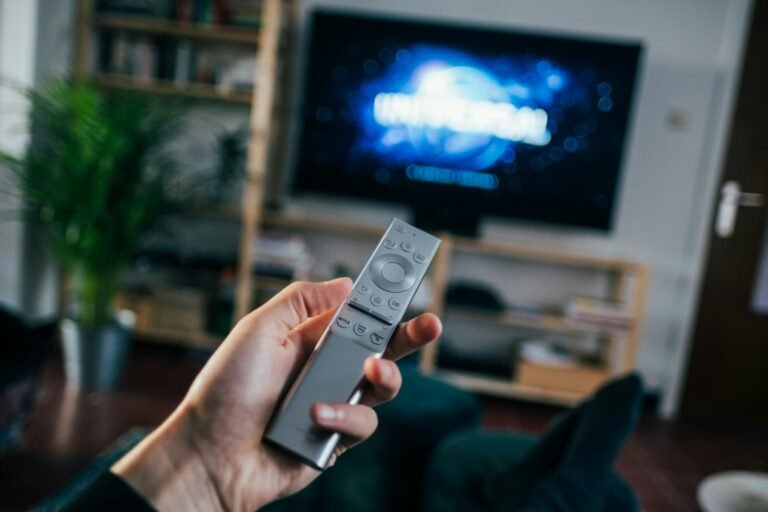
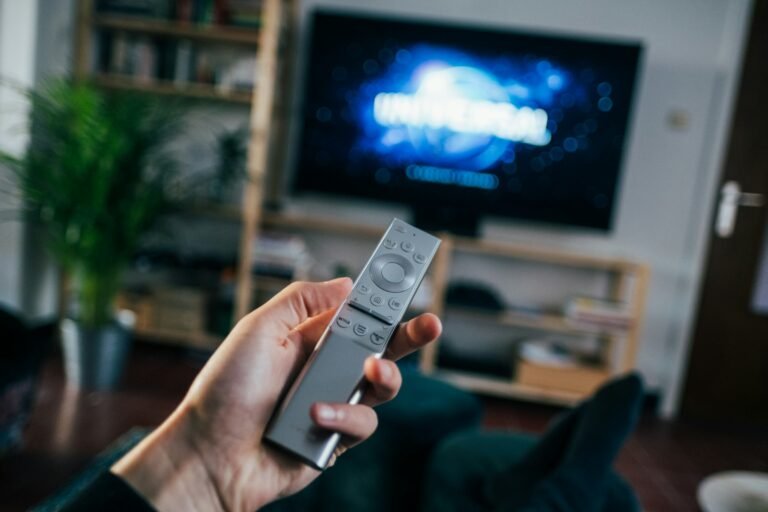
Sources: Cybernews, Android Headlines, ShiftDelete.Net, Australian Cyber Security Magazine. Photo by Howard Bouchevereau on Unsplash.

Sidharth
Hey there ! I am Sidharth Shankar, I am an editor at Android Captain. A computer science engineer with 7 years of experience in the technology field, I cover apps, Reviews, AI features, wearables and hands-on how-to guides for Android users.