Samsung Reportedly Won’t Release a Galaxy Watch in 2027. Here’s What That Means if You’re Buying Now
Samsung may skip the Galaxy Watch 10 in 2027 and move to a two-year cycle. Here's why, and whether to buy a Galaxy Watch 9 now.

In this article
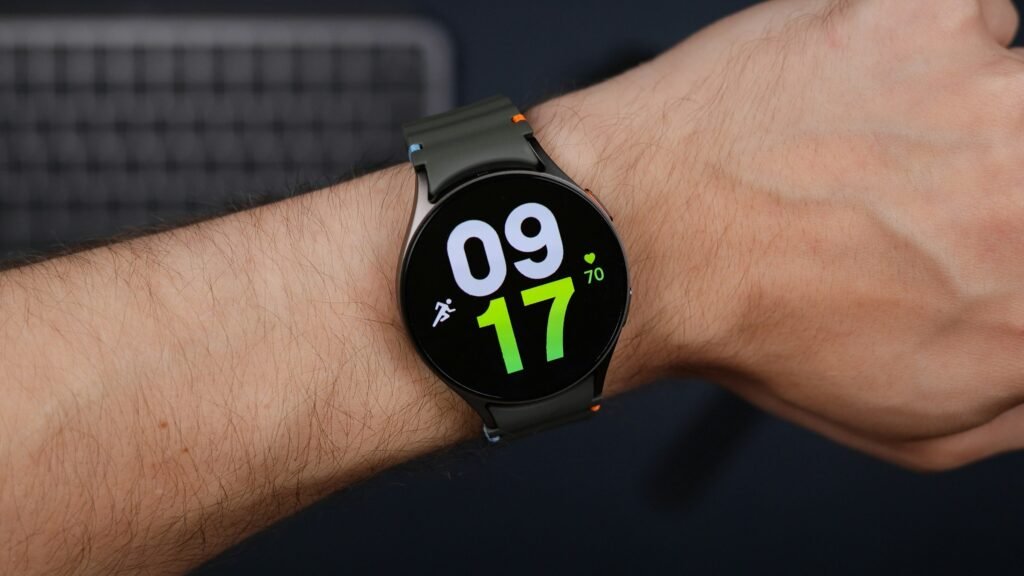
For the first time since the Galaxy Watch name arrived in 2018, Samsung may sit out a year. According to a report from Korea’s ETNews, picked up over the weekend by 9to5Google, Digital Trends, Android Central and Notebookcheck, Samsung has no new Galaxy Watch planned for 2027. The would-be Galaxy Watch 10 slides to 2028, and the company’s smartwatches move to a two-year release cycle.
Samsung hasn’t confirmed any of this. But the reasoning in the report lines up with everything else coming out of Samsung’s mobile division lately, and it changes the math for anyone deciding whether to buy a Galaxy Watch this holiday season.
What the Galaxy Watch report actually says
ETNews describes a company tightening its belt. Samsung’s mobile business has reportedly lost money for two straight quarters, and the outlet says Samsung is “pursuing comprehensive cost reductions and lineup optimization.” Skipping a watch generation is one piece of that.
Three points stand out:
- No new Galaxy Watch in 2027. The next mainline model is pushed to 2028. Notebookcheck adds that a Galaxy Watch Ultra 3 could arrive that year too, though that detail is less firm.
- The current watches stay on sale longer. The Galaxy Watch 9 and Galaxy Watch Ultra 2 would carry the lineup through 2027, with Samsung leaning on software updates and new health features to keep them fresh.
- A cheaper band still ships. A Galaxy Fit 4 fitness band is expected in 2027. A Dealabs leak cited by 9to5Google puts it at €79.90 in Europe; there’s no U.S. price yet.
The outlets don’t agree on how settled this is. 9to5Google says flatly the watch “won’t launch in 2027.” Android Central is more careful, saying Samsung “is considering” a two-year cycle. Since every report traces back to the same ETNews story, treat it as a credible leak, not a done deal.
Why Samsung would skip a year
Two forces are squeezing Samsung at once. The first is component costs. Memory and chip prices have climbed sharply this year as AI data centers soak up supply, and phone and wearable makers are paying for it. Digital Trends calls it “chipflation”; 9to5Google’s headline goes with “RAMageddon.”
The second is that the Galaxy Watch 9 didn’t sell the way Samsung hoped. Every outlet repeats ETNews’ claim that sales “fell short of expectations,” and the likely culprit is price. Samsung has raised the entry price of its base watch two years running.
Galaxy Watch launch prices in the U.S.
| Model | Launch year | Bluetooth | LTE |
|---|---|---|---|
| Galaxy Watch 7 | 2024 | $299.99 | $349.99 |
| Galaxy Watch 8 | 2025 | $349.99 | $399.99 |
| Galaxy Watch 9 | 2026 | $379.99 | $429.99 |
| Galaxy Watch Ultra | 2024 | n/a | $649.99 |
| Galaxy Watch Ultra 2 | 2026 | n/a | $699.99 |
That’s an $80 jump for the base Bluetooth model in two years, per Digital Trends’ tally. The Watch 9 got real upgrades for the money, including the move from Samsung’s Exynos W1000 to Qualcomm’s Snapdragon Wear Elite and bigger batteries (390mAh on the 40mm model, up from 325mAh). Still, $380 for an entry-level Wear OS watch is a tough sell when a lot of buyers already own a perfectly good Watch 6 or 7.
The watch isn’t the only thing being trimmed. The same reporting says Samsung is cutting Galaxy A phone production by about 20% and steering roughly 70% of Galaxy S27 production toward the pricier Pro and Ultra models. Samsung is putting its money behind the products with the best margins.
Is a two-year cycle actually bad for you?
For most people, no. Smartwatch upgrades have been incremental for years. The jump from one Galaxy Watch to the next usually comes down to a slightly faster chip, a few more milliamp-hours and a new sensor feature or two, many of which later show up on older models through One UI Watch updates anyway.
A longer cycle could even help if Samsung uses the extra year to ship a bigger leap in 2028 rather than another modest refresh. Apple and Google release new watches every year, so Samsung will look slower on paper. In practice, the people hurt most are enthusiasts who upgrade annually, and that’s a small group.
The risk is software. If the Watch 9 has to carry the brand for two years, Samsung needs to keep the updates coming. Its plan for “enhancement of healthcare features” through 2027 is a promise worth holding it to.
Should you buy a Galaxy Watch now or wait?
Here’s how I’d think about it if you’re shopping this Black Friday week:
- If you want a Galaxy Watch, buy the Watch 9 or Ultra 2 on sale. If the report is right, there’s nothing new coming for at least 18 months, so waiting gets you nothing except deeper discounts on the same hardware.
- If you own a Watch 7 or Watch 8, keep it. You’re not missing a 2027 model, and the Watch 9’s gains don’t justify full price.
- If you only want step and sleep tracking, wait for the Galaxy Fit 4. It’s the one new Samsung wearable expected next year, and it should cost a fraction of a watch.
- Don’t pay launch price. With the lineup reportedly frozen, retailers will keep cutting prices on the Watch 9 through 2027.
Samsung has been quiet so far, and it could still change course before next summer’s Unpacked. But a company losing money on phones, paying more for every memory chip and watching its latest watch underperform has every reason to skip a year. I wouldn’t bet on a new watch at Samsung’s summer 2027 launch.
Sources: 9to5Google, Digital Trends, Android Central, Notebookcheck, 9to5Google (Watch 9 launch). Photo by Daniel Romero on Unsplash.

Harish
I am the founder of androidcaptain.com, a tech graduate and writes which covers android, smartphones, apps, software, and the rapidly evolving world of artificial intelligence. I focus on breaking down new technologies, exploring useful features, and helping readers understand how their devices and software can work better for them.