Xiaomi Just Shipped an 8,500mAh Flagship. Why Are U.S. Android Phones Still Stuck Near 5,000?
Chinese flagships are racing toward 10,000mAh batteries while the Galaxy S26 Ultra and Pixel 11 Pro XL hover around 5,000mAh. Here's why.

In this article
On September 23, Xiaomi launched the Xiaomi 18 Pro Max in China with an 8,500mAh battery. Two days later, a well-known Chinese leaker said a major phone maker is testing a new design that could push flagship batteries to 9,000mAh to 10,000mAh.
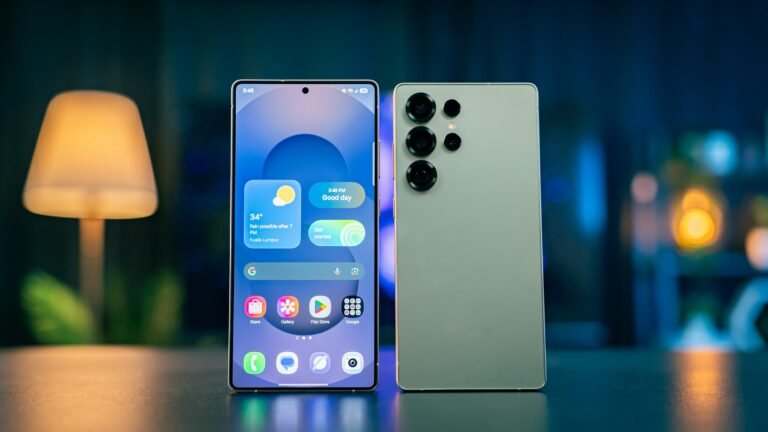
Meanwhile, the most expensive Android phones Americans can walk into a carrier store and buy, Samsung’s Galaxy S26 Ultra and Google’s Pixel 11 Pro XL, ship with roughly 5,000mAh. That gap has been growing for two years, and it’s now too big to shrug off.
The numbers, side by side
| Phone | Where it’s sold | Battery capacity |
|---|---|---|
| Google Pixel 11 Pro | U.S. | 4,850mAh |
| Samsung Galaxy S26 Ultra | U.S. | 5,000mAh |
| Google Pixel 11 Pro XL | U.S. | 5,115mAh |
| Google Pixel 10 Pro XL (2025) | U.S. | 5,200mAh |
| Xiaomi 18 Pro (global, per code) | International | 6,000mAh |
| Xiaomi 18 Pro (China) | China | 7,000mAh |
| Xiaomi 18 Pro Max (global, per code) | International | 7,050mAh |
| Xiaomi 18 Pro Max (China) | China | 8,500mAh |
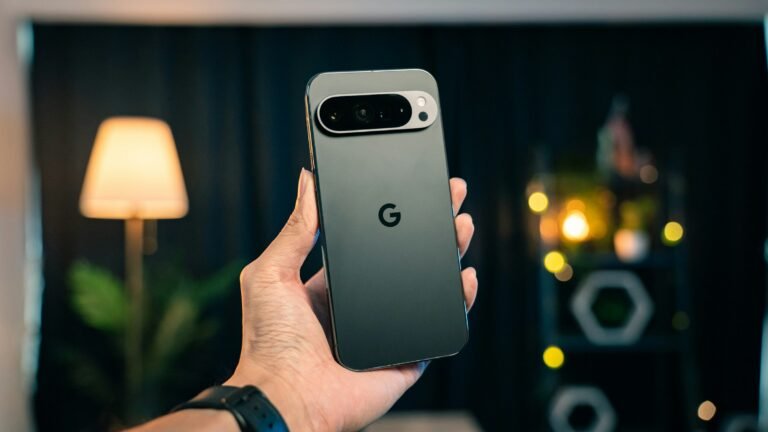
Note the Pixel line. The Pixel 11 Pro XL actually has a smaller battery than the Pixel 10 Pro XL it replaced. Google’s argument is efficiency: the Tensor G6 and a new modem are supposed to do more with less, and the company now promises “30+ hours” of battery life. To be fair, that’s not just marketing. GSMArena measured an Active Use Score of 15 hours 45 minutes for the Pixel 11 Pro XL, a clear improvement over its predecessor.
Why the gap exists
Chinese brands are mostly using silicon-carbon batteries, which pack more energy into the same space than traditional graphite-anode cells. Samsung and Google haven’t made that switch in their flagships.
The other factor is shipping rules. As Gizmochina explains, international transport regulations for lithium-ion batteries cap how much energy a single cell can carry. Phone makers can get around it with two cells, but that “adds thickness, weight, and engineering complexity.” That’s exactly why Xiaomi’s global versions shrink: tipster Kacper Skrzypek found HyperOS code listing 6,000mAh for the global 18 Pro and 7,050mAh for the global 18 Pro Max, cuts of about 14% and 17%. Xiaomi hasn’t confirmed those figures.
So even Xiaomi gives up some capacity when it leaves China. But notice that its trimmed-down global phones would still carry 1,000mAh to 2,000mAh more than the Galaxy S26 Ultra.
The next jump: steel-shell batteries
The latest leak, from Digital Chat Station on Weibo and reported by Android Authority, points to a design Apple already uses. Starting with the iPhone 17 Pro series, Apple moved to a steel-encased battery. Combined with stacked cell layers instead of the usual rolled design, that approach reduces internal resistance, sheds heat better and frees up usable space inside the phone.
According to the leak, a major Chinese phone maker, most likely Xiaomi, is testing that steel-shell, stacked-cell approach to hit 9,000mAh to 10,000mAh. If that holds, next year’s Chinese flagships could have nearly double the capacity of what Samsung sells here.
Our take: efficiency is great, but it isn’t a substitute
Google and Samsung aren’t wrong that efficiency matters. A well-tuned 5,000mAh phone can outlast a sloppy 6,000mAh one. But efficiency gains and bigger batteries aren’t either-or. Put a more efficient chip in front of a bigger battery and you get both.
There are legitimate reasons for caution. Silicon-carbon cells have only been in mass-market phones for about two years, and there’s little long-term independent data on how they age. Samsung and Google also promise seven years of software updates, and a battery that degrades fast would undercut that pitch.
Still, American buyers are paying $1,000-plus for these phones. At some point “trust us, it’s efficient” stops being a good enough answer when phones sold elsewhere carry 60% more capacity. The first U.S. flagship to cross 6,000mAh without getting chunky will have a real selling point. Right now, nobody’s claiming it.
Sources: Android Authority, Gizmochina, Google Store, GSMArena. Photo by Andreas Haslinger on Unsplash.

Harish
I am the founder of androidcaptain.com, a tech graduate and writes which covers android, smartphones, apps, software, and the rapidly evolving world of artificial intelligence. I focus on breaking down new technologies, exploring useful features, and helping readers understand how their devices and software can work better for them.