The RAM Crunch Is Making New Android Phones a Worse Deal. Skip This Year’s Upgrade
Phone makers are charging more and, in some cases, shipping less memory. For most Android owners, the smartest 2026 upgrade is no upgrade.

In this article
Here is the pitch Android phone makers are running this fall: pay more, get roughly the same phone, and trust us that the software makes up the difference. I’m not buying it, and unless your current phone is broken or out of updates, you shouldn’t either.
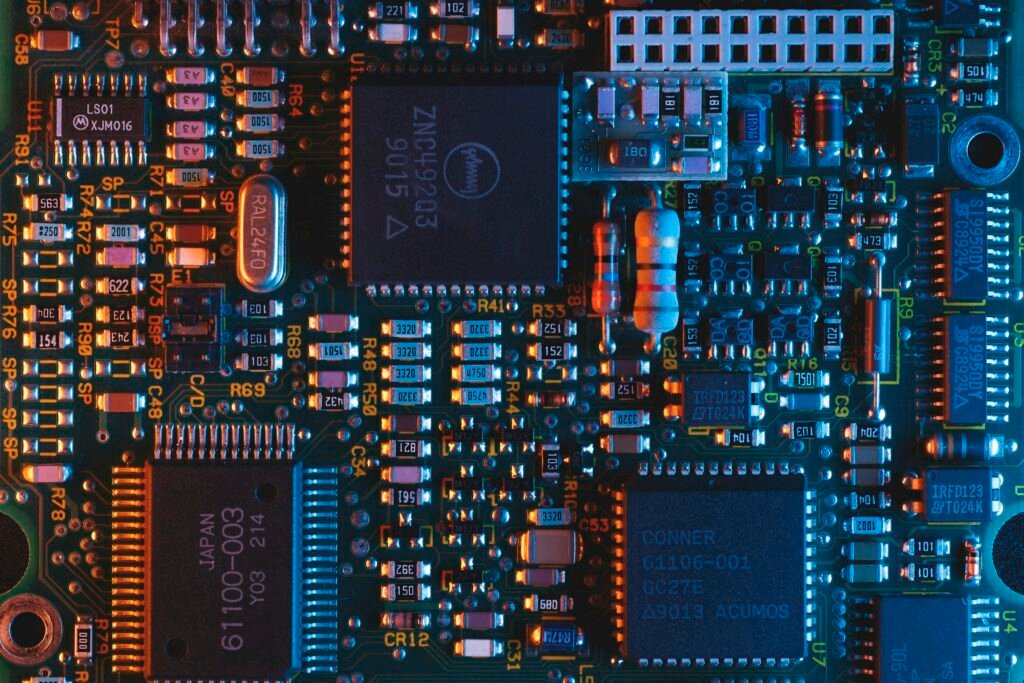
The reason isn’t a lack of shiny features. It’s memory. The global RAM shortage that analysts warned about last winter has arrived in the phones on store shelves, and it’s changing the math on every upgrade decision.
The numbers are ugly
In February, IDC forecast that smartphone shipments would fall to 1.12 billion units in 2026, down from 1.26 billion in 2025. That 12.9% drop would be the steepest single-year decline in more than a decade. The same forecast had average selling prices climbing 14% to a record $523. “The memory crisis will cause more than a temporary decline; it marks a structural reset,” IDC’s Nabila Popal told TechCrunch.
The cause isn’t mysterious. As Android Authority has laid out, Samsung, SK Hynix and Micron make about 75% of the world’s memory, and they are steering capacity toward high-bandwidth memory for AI data centers, where the margins are far better. Phone RAM comes off the same advanced production lines, and phones are not first in line. Relief isn’t expected until new fabs come online in 2027 or 2028.
Google showed us what that looks like
The Pixel 11 lineup is the clearest example in the U.S. market. Every model costs about $100 more than its predecessor, and the Pro models went backward on base memory.
| Model | Pixel 10 series price | Pixel 11 series price | Base RAM change |
|---|---|---|---|
| Standard | $799 | $899 | No change reported |
| Pro | $999 | $1,099 | 16GB to 12GB |
| Pro XL | $1,199 | $1,299 | 16GB to 12GB |
To be fair to Google, the base Pixel 11 and 11 Pro now start with 256GB of storage, double last year. And Google told Engadget it is “navigating a severe, supplier-driven RAM shortage,” promising that its full-stack optimization means buyers can still “expect faster and smoother performance.”
Maybe so. But notice the contradiction. The entire marketing story for 2026 Android flagships is on-device AI, and on-device AI is exactly the kind of work that benefits from more memory. The industry is asking you to pay a premium for an AI phone while trimming the resource that AI runs in. That’s not a trade I’d make with my own money.
Your current phone is better than you think
The other half of this argument is that the phone in your pocket probably has years left in it. Samsung and Google now promise six to seven years of OS updates on their recent flagships. That’s not a marketing footnote; it means a Pixel or Galaxy bought in 2024 or 2025 is still mid-life.
People already know this. In an Android Authority reader survey, 44% of respondents said they keep phones for three to five years, and another 28% said five years or more. Reviewer Roydon Cerejo put it bluntly after a year of incremental launches: “The word ‘new’ has lost all meaning.”
So what should you do instead?
- Keep your phone and fix the battery. A fresh battery is the single biggest upgrade most two-year-old phones can get, for a fraction of the cost of a new flagship.
- If you must buy, buy last year’s model. Phones built before memory prices spiked often shipped with more RAM than their replacements, and they get discounted as new models arrive.
- Check your update runway first. If your phone still has two or more years of OS updates left, there’s no security reason to rush.
The exception, and the bigger point
If your phone is out of support, cracked beyond saving or genuinely too slow for daily use, buy something. Nobody should run an unpatched phone to make a point.
But for everyone else, sitting out this cycle is the only signal consumers can send. IDC expects memory prices to stabilize by mid-2027. Phone makers are betting that buyers will absorb higher prices and thinner specs in the meantime. The smart move is to prove them wrong, keep your wallet closed and let the 2027 phones compete for it.
Sources: TechCrunch, Engadget, Android Authority. Photo by Umberto on Unsplash.

Harish
I am the founder of androidcaptain.com, a tech graduate and writes which covers android, smartphones, apps, software, and the rapidly evolving world of artificial intelligence. I focus on breaking down new technologies, exploring useful features, and helping readers understand how their devices and software can work better for them.