Google Quietly Raised the Pixel 10a to $599, and Samsung’s Galaxy A Phones Went Up the Same Day
The Pixel 10a now starts at $599, up $100, and Samsung raised four Galaxy A phones the same day. Here's what budget Android buyers pay now.

In this article
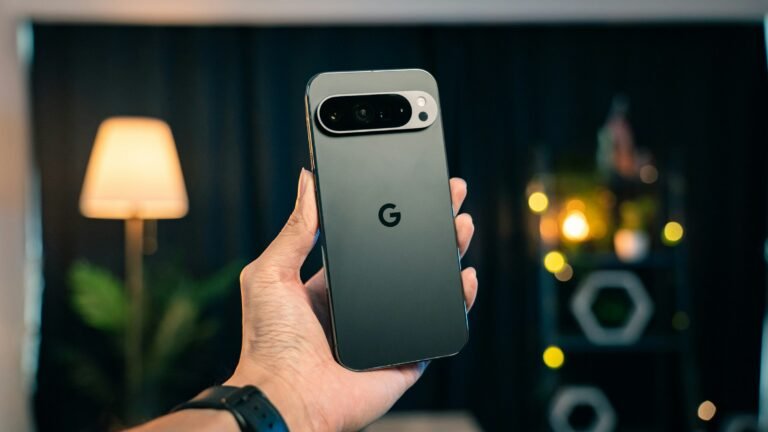
The cheapest new Pixel you can buy just got a lot less cheap. Google’s Pixel 10a now costs $599 for the 128GB model, up from the $499 it launched at in March. The new price showed up on the Google Store, Amazon and Best Buy on Thursday, Oct. 2, and Google hasn’t said a word about it.
If that were the only sticker change this week, it would be a Pixel story. It isn’t. On the same day, Samsung raised the U.S. prices of four Galaxy A phones, its second round of increases in a week after the Galaxy S26 family went up $100. The budget tier of Android, the part of the market that was supposed to be insulated from flagship inflation, just took the hit.
What changed on the Pixel 10a
According to 9to5Google, the 128GB Pixel 10a moves from $499 to $599, and the 256GB version now lists at $699. That’s the same phone, with the same two-generation-old Tensor G4 chip, that reviewers called a well-rounded deal at $499. Nothing about the hardware improved overnight.
The increase isn’t just a U.S. thing. The phone now sells for £599 in the U.K., up from £429, and €649 in Europe. Android Authority noted that Google still hadn’t acknowledged the change when it went live.
Google did hint this was coming. When it raised prices on the Pixel 11 lineup, the company signaled that phones already on the market could follow. The likely culprit is the same one everyone in hardware keeps pointing to this year: the cost of memory chips, which has climbed so fast that Engadget calls it “the RAM crisis that seemingly no tech company is able to escape.”
Samsung’s Galaxy A series climbs too
Samsung’s increases are smaller per phone, but they cover the whole lineup Americans actually buy at carrier stores and big-box retailers. Here’s how the new U.S. prices compare, based on figures reported by Android Authority and Engadget:
| Phone | Old U.S. price | New U.S. price | Increase |
|---|---|---|---|
| Google Pixel 10a (128GB) | $499 | $599 | +$100 |
| Samsung Galaxy A57 5G | $549.99 | $599.99 | +$50 |
| Samsung Galaxy A37 5G | $449.99 | $489.99 | +$40 |
| Samsung Galaxy A27 5G | $349.99 | $379.99 | +$30 |
| Samsung Galaxy A17 5G | $249.99 | $269.99 | +$20 |
The Galaxy A17 5G deserves an asterisk. It launched at $199.99, so the total climb since release is $70, or 35%. That’s a big swing for a phone whose whole reason to exist is being affordable.
Notice where the Pixel 10a lands now: exactly level with the Galaxy A57 5G at roughly $600. For two years, the A-series Pixel had a clean pitch, flagship-grade camera processing for $499. That pitch got harder to make this morning.
What this means if you’re shopping now
Retail pricing tends to lag official changes, so it’s worth checking carrier and open-box listings before assuming the higher number. Amazon’s Big Deal Days event is coming in October, and older stock sometimes gets discounted from the new, higher base. A deal that brings the Pixel 10a back to $499 would simply return it to its launch price. Don’t treat that as a bargain.
It’s also worth knowing what’s next. Android Authority expects a Pixel 11a in February or March 2027, likely with a Tensor G6 chip, a brighter screen and an improved front camera. Engadget warns that the next generation of budget phones will probably launch at similarly inflated prices, with relief from the memory shortage possibly arriving in 2027 or dragging on toward 2030.
So the honest advice is unglamorous. If your current phone works and still gets security updates, hold on to it. If you need a phone this month, buy on a real discount, not on the new list price.
The bigger picture
Price hikes on brand-new flagships are annoying but expected; companies set those numbers knowing costs in advance. Raising the price of a phone that’s been on shelves for seven months is a different signal. It tells you Google and Samsung no longer expect component costs to fall soon, and they’d rather protect margins than hold the line on the cheap seats.
For the U.S. buyers who rely on $200 to $500 Android phones, that’s the real story this week. The entry fee went up across the board, and the phones didn’t get any better to justify it.
Sources: 9to5Google, Android Authority, Engadget, Android Authority. Photo by Amanz on Unsplash.

Harish
I am the founder of androidcaptain.com, a tech graduate and writes which covers android, smartphones, apps, software, and the rapidly evolving world of artificial intelligence. I focus on breaking down new technologies, exploring useful features, and helping readers understand how their devices and software can work better for them.